Maneuvering near the coast is one of the most delicate situations in navigation. The proximity of the seabed, changes in wind, the presence of swimmers or anchored vessels, and the ability to read the surroundings require extreme caution and advance decision-making.
Although it may seem like a simple area due to its proximity to land, the coast is actually one of the places where the most mistakes are made. Precisely for this reason, knowing the basic maneuvering techniques makes the difference between safe navigation and a dangerous situation.
Read the surroundings before approaching
Before slowing down or initiating any maneuver, it's wise to stop and take in the overall view. The shape of the coastline, the color of the water, nearby traffic, and the direction of the wind all offer valuable information, even before consulting instruments.
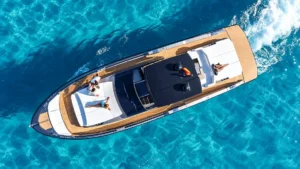
For example, lighter shades often indicate shallower water or sandy bottoms, while darker areas may signal greater depth or the presence of seagrass. Furthermore, identifying clear entry and exit routes prevents last-minute improvisations, one of the most common factors in failed maneuvers.
Speed control and governance
One of the most common mistakes when maneuvering near the coast is maintaining excessive speed. At low speeds, the vessel responds better and allows for course corrections with ample margin.
However, it's also not advisable to run out of steam. Maintaining a balance between control and responsiveness of the rudder is key, especially when there's a bit of a swell or crosswind. A clean maneuver is rarely abrupt; it's usually progressive and anticipated.
Wind and waves as decisive factors
A vessel's behavior changes noticeably as it approaches land. The wind is often channeled by the terrain and can surprise with irregular gusts. Similarly, waves rebound off cliffs or beaches, generating unexpected movements.
For this reason, it's important to anticipate, adjust the maneuver, and avoid forcing approaches when conditions are unfavorable. In many cases, waiting a few minutes or slightly changing the approach angle significantly improves safety and comfort on board.
Anchoring maneuvers in areas close to the coast
When anchoring close to the coast, precision becomes essential. Not all areas are suitable, and not all seabeds offer the same guarantee of grip.
It's advisable to check the actual depth, respect protected areas, and ensure there's enough room to swing. Additionally, maintaining a safe distance from other vessels will prevent unpleasant situations if the wind shifts or increases during your stay.
Common mistakes when maneuvering near the coast
Many incidents occur not due to a lack of knowledge, but due to overconfidence. Approaching too quickly, relying solely on the depth sounder, or underestimating the wind are common mistakes.
Another common mistake is correcting too late. Near the coast, margins are smaller, and decisions must be made sooner, not later. Experience shows that a timely aborted maneuver is always preferable to a forced approach.
Differences according to the type of vessel
Not all boats react the same way. Larger boats require more planning and space, while smaller boats respond more immediately but are also more sensitive to the wind.
Similarly, propeller arrangement, draft, and freeboard height influence how the vessel behaves during short maneuvers. Considering these variables allows for adjusting the approach and avoiding unnecessary corrections.
When is it best to stay away?
Part of a good maneuver is knowing when not to perform it. If the wind increases, traffic intensifies, or visibility worsens, the wisest course of action may be to maintain a greater distance and reconsider the entry.
Safe navigation isn't about getting anywhere, but about getting there at the right time. Moving a few meters away and waiting is often a more professional decision than it seems.
Respect for the environment and for other users
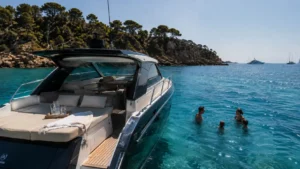
The coast is a shared space. Bathers, paddle surfers, kayakers, and small boats coexist in confined areas, especially during peak season.
Therefore, navigating with foresight, signaling maneuvers and maintaining a prudent attitude not only improves safety, but also contributes to responsible and respectful coexistence at sea.
Experience makes the difference
Over time, maneuvering near the coast becomes an exercise in continuously reading the surroundings. The combination of observation, technique, and composure allows for better decision-making and a more confident sailing experience.
For those who wish to experience the coast from the sea safely and responsibly, the Boat trips in Ibiza It offers a privileged setting where these maneuvers are carried out with local knowledge, anticipation and respect for the environment.